
Golden Hour vs Blue Hour: What Changes for Sunset Photographers
Golden Hour vs Blue Hour: What Changes for Sunset Photographers
Most photographers arrive for the sunset, make a handful of frames, and start packing up the moment the sun drops behind the horizon. It is an easy habit, and it costs them half the evening's best light. Golden hour and blue hour sit back to back, ask for different skills, and reward different kinds of pictures. Knowing which one you are in changes how you plan a shoot far more than a new lens will.
Here is how the two compare on the things that matter: light quality, color, exposure, and subject. None of it needs special gear beyond a tripod and the patience to stay put for twenty extra minutes.
Two Windows, One Evening
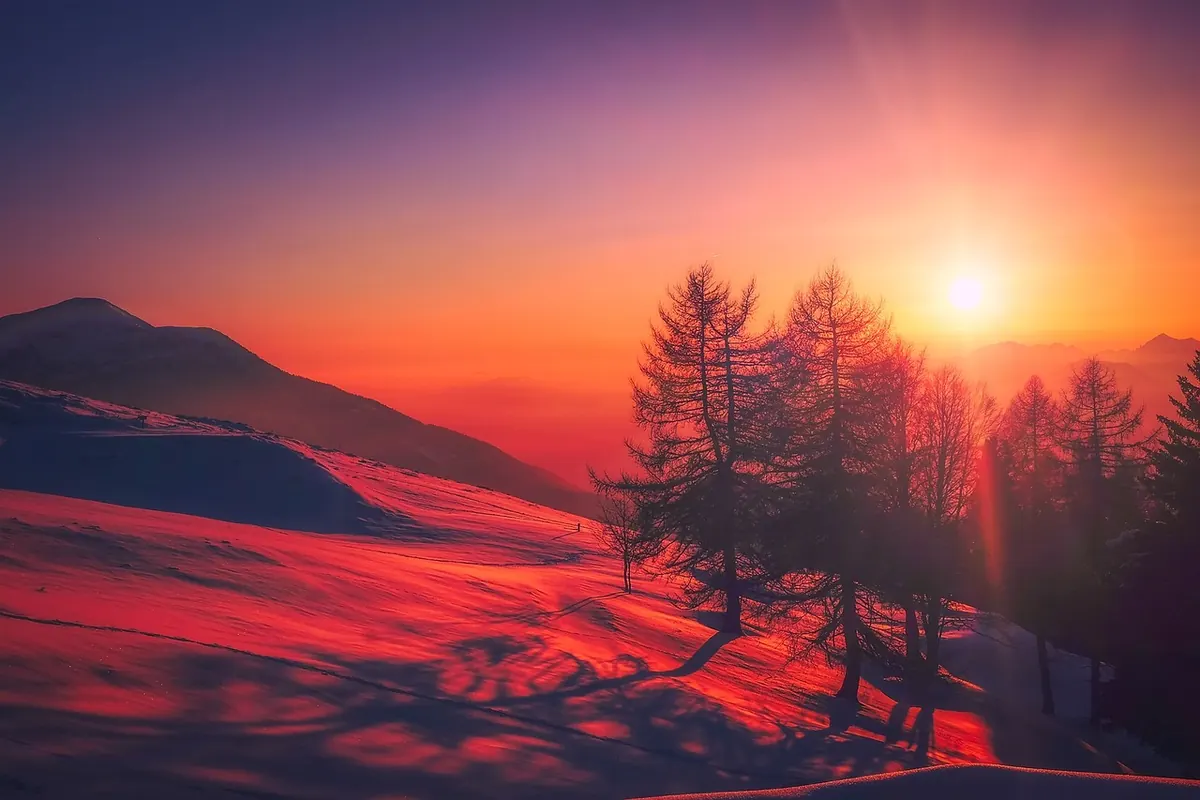
Golden hour is the stretch before the sun goes down — and the mirror image after sunrise — when it hangs low and its light travels through more atmosphere. In temperate places it is roughly the last hour of daylight, longer at high latitudes and shorter near the equator. In winter it can feel brief and precious; in summer it can stretch on long enough that you forget to eat. The light is warm, directional, and full of texture, but it is also changing by the minute.
Blue hour is the cool counterpart after sunset, when the sun has dropped below the horizon but the sky still holds enough indirect light to illuminate the scene. The name is a little generous: in many places it lasts twenty to forty minutes, not a full hour, and it fades faster on clear evenings than on overcast ones. It also happens before sunrise, though most sunset photographers meet it on the back end of the day. The important thing is that blue hour is not simply “dark golden hour.” It is a different light with a different job.
The two windows sit back to back, separated by the sunset itself and the brief afterglow that follows. That transition is where many photographers lose their best opportunities: they treat the setting sun as the finale, when it is really the cue for the second act.
Golden Hour: The Warm Build-Up
During golden hour, the sun is low enough to rake across the landscape. Shadows grow long, textures in rock, grass, sand, and brick become more pronounced, and backlight can create a warm rim around a subject. The light is often described as soft, but it can still be quite contrasty when the sun is in or near the frame. A bright sky and a dark foreground can push your camera's dynamic range hard, especially in the first few minutes after the sun becomes visible through haze or cloud.
This is the time for shaping light rather than waiting for it. You can move around a subject to choose where the shadows fall, use a building or tree to block the direct sun, or wait for a cloud to soften the edge. Golden hour rewards quick decisions because the angle and color are shifting continuously.
Blue Hour: The Cool Afterglow
Once the sun is below the horizon, direct sunlight is gone, but the sky becomes a giant softbox. The light is even, cool, and low in contrast, which makes it much easier to hold detail in both a bright sky and a darker foreground. Colors shift toward blue and cyan, while artificial lights — streetlamps, windows, car trails, illuminated signs — begin to balance against the ambient sky. That balance is the heart of blue hour photography: the scene is not yet night, but it is no longer day.
Blue hour is quieter and more forgiving in terms of contrast, but it demands more from your technique. Exposure times lengthen, the tripod becomes essential, and small changes in timing can make a big difference in how blue the sky looks and how bright the city lights appear.
Light Quality, Color, and Contrast
The practical differences between the two windows show up in how you read a scene and set a camera.
- Golden hour: Warm, directional, and often high-contrast. Long shadows and specular highlights add depth, but bright highlights can clip if you expose for the shadows. The light changes fast, so bracket exposures or check the histogram often.
- Blue hour: Cool, diffuse, and low-contrast. The sky glows with a blue gradient while the land falls into shadow. Exposure times get longer, but the even light is easier to manage and forgiving of slight exposure errors.
- White balance: Auto white balance can neutralize the very warmth you came for during golden hour. Try daylight or cloudy to preserve the glow. At blue hour, a cooler white balance can exaggerate the blue, while a slightly warmer setting can keep city lights from looking sterile.
- Weather: Golden hour loves broken cloud, haze, and even a little dust; they catch the light and add atmosphere. Blue hour can be beautiful under clear skies, but high clouds can hold color longer and give the sky more shape.
Think of golden hour as light you shape and blue hour as light you balance. In the first, you are often chasing the sun's angle; in the second, you are waiting for the sky and the artificial lights to reach a pleasing equilibrium.
Exposure and Timing
Golden hour is a highlight-protection game. If the sun is in the frame, expose so the brightest areas are not blown out, then lift the shadows in editing if needed. If you are shooting a backlit portrait, meter for the face and let the rim light sing. A polarizer can deepen a blue sky and cut reflections, but it can also remove the sparkle from water, so use it with intent.
Blue hour is a stability game. The light is dimmer, so you need a tripod, a remote release or self-timer, and a low ISO to keep noise down. Start with a moderate aperture for depth of field, then adjust shutter speed until the histogram sits where you want it. If car trails or moving water are part of the scene, use that slow shutter deliberately. A shot that is two seconds long will look very different from one that is fifteen seconds long.
- Golden hour checklist: fast enough shutter for wind and people, highlight warnings on, exposure bracketing ready, lens hood for flare control.
- Blue hour checklist: tripod locked down, image stabilization off when mounted, base ISO, remote release, live histogram, and a small flashlight for checking settings.
- Timing: arrive at least thirty minutes before golden hour to scout, and plan to stay at least thirty minutes after sunset. The best blue often arrives when the sky and city lights are nearly equal in brightness.
The sunset is a cue, not a finish line. The frames most people miss are made after the sun is gone.
That is why the twenty extra minutes matter. They are not a bonus; they are a second shoot with a different palette and a different set of decisions.
Subject and Story
The two windows also favor different subjects. Golden hour is about dimension: side light reveals form, backlight creates separation, and long shadows lead the eye. Blue hour is about mood and contrast between natural and artificial light.
- Golden hour subjects: landscapes with texture, coastal cliffs, dunes, fields, backlit portraits, rim-lit wildlife, architecture with warm stone, and silhouettes against a glowing sky.
- Blue hour subjects: city skylines, streets and storefronts, bridges, harbors, illuminated buildings, light trails, and interiors where warm windows contrast with a cool exterior.
- People: Golden hour gives you warm skin tones and dramatic rim light. Blue hour gives you a quieter, cinematic look, but you may need a faster lens, a stabilizer, or a small flash to keep subjects sharp and bright.
- Water and reflections: Golden hour turns water into molten metal; blue hour turns it into a mirror for city lights and sky gradients. Both reward a tripod and a careful horizon line.
A useful exercise is to shoot the same scene twice: once as the sun drops, and once twenty minutes later. The first frame will often be about shape and warmth; the second will be about atmosphere and balance. Keeping both teaches you what each window is actually for.
A Simple Plan for Staying Through Both
- Scout before the light gets good. Find your foreground, check the horizon, and decide where you want to be when the sun is low. Look for a second composition that will work after sunset.
- Shoot golden hour with intent. Work the warm light while it lasts, but do not spend the whole time machine-gunning. Make a few deliberate frames, then check your histogram and composition.
- Use the sunset transition to reset. Change lenses if needed, set up the tripod, clean the front element, and recompose for the blue-hour version of the scene.
- Stay for blue hour. Expose for the sky and let the city lights fall where they may, or blend two exposures later if the contrast is too much. Try one wide scene and one detail.
- Leave after the blue fades, not before. The sky can hold color longer than you expect, especially with high clouds. Check a few frames on the back of the camera before you pack up.
Common Mistakes That Cost You Blue Hour
- Packing up at sunset. The best blue often arrives ten to twenty minutes after the sun disappears. Stay put and watch the sky.
- Underexposing the sky. Blue hour looks dark on the LCD but can be lifted in RAW. Protect the sky's color and adjust the foreground later if needed.
- Forgetting the tripod. Handholding at blue hour forces high ISO or a shaky shutter. A tripod is the one piece of gear that changes the result most.
- Using auto white balance without thinking. It can flatten the warm glow of golden hour or make blue hour too neutral. Set white balance deliberately.
- Ignoring the artificial lights. At blue hour, streetlights and windows are part of the composition. Check when they turn on and how they balance with the sky.
- Leaving the lens hood on in wind. It is useful for flare during golden hour, but at blue hour it can catch gusts and soften long exposures. Use it when it helps, not by habit.
Golden hour and blue hour are not rivals. They are two halves of the same evening, and the photographers who get the most from sunset are the ones who plan for both. Arrive early, stay late, and let the light change while you keep working. The sunset is only the middle of the story.
Photo: 12019 / Pixabay